
Showing all 5 resultsSorted by popularity
-
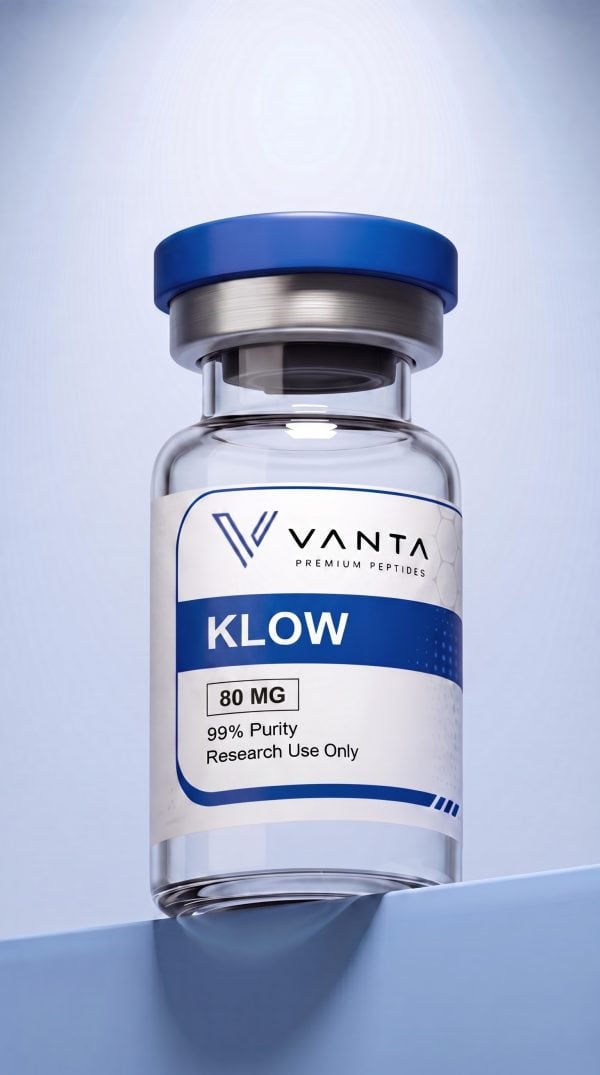
KLOW
$125$100 BUY 2 GET 1 FREE Tissue Repair Research -
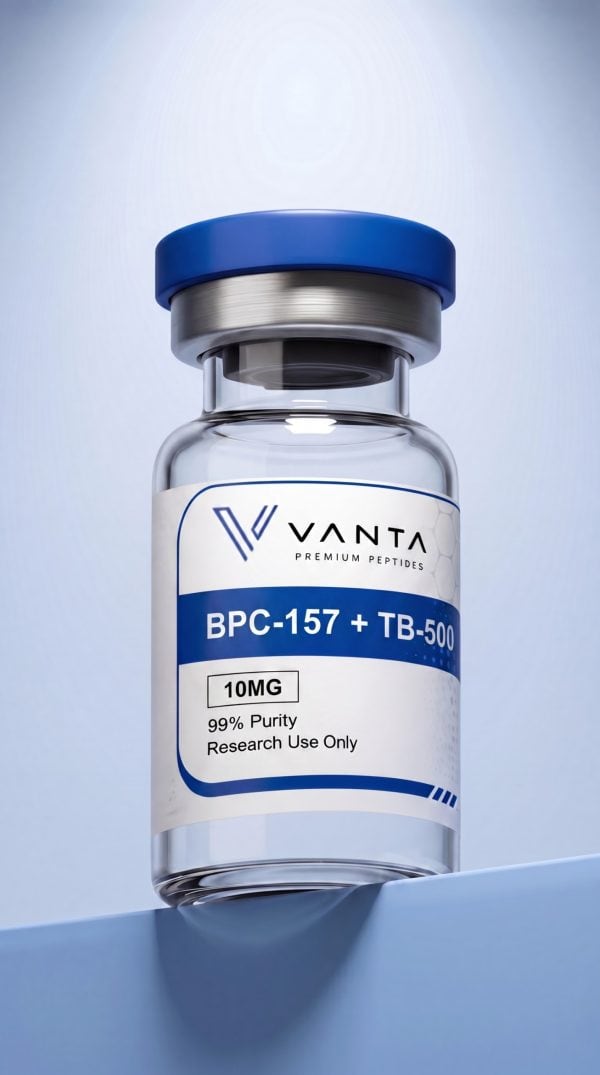
Wolverine (BPC-157 + TB-500)
$81$65 BUY 2 GET 1 FREE Tissue Repair Research -
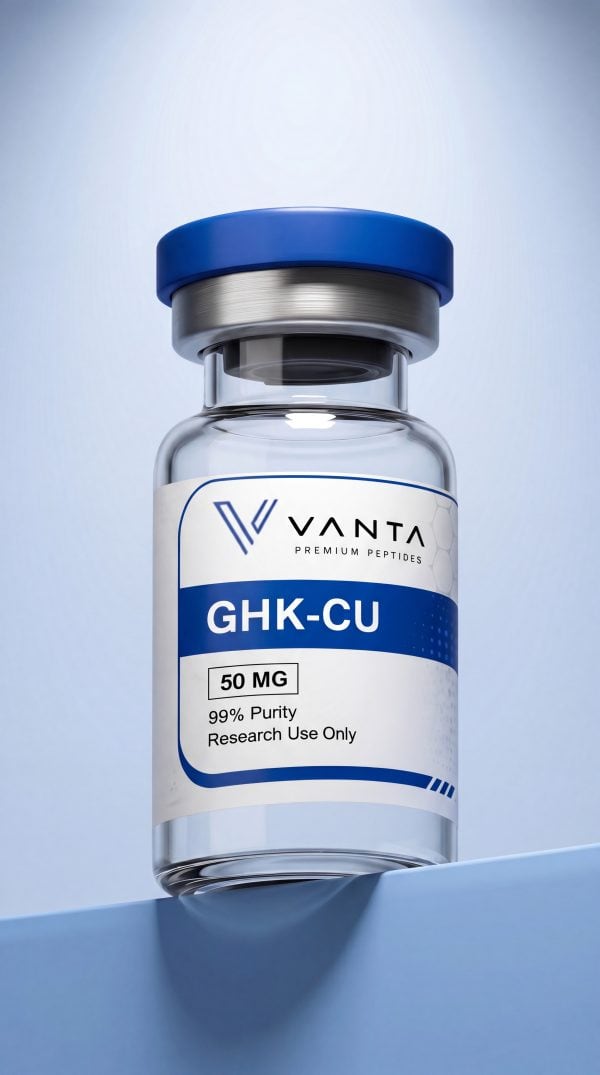
GHK-Cu
$44$35 BUY 2 GET 1 FREE Tissue Repair Research -
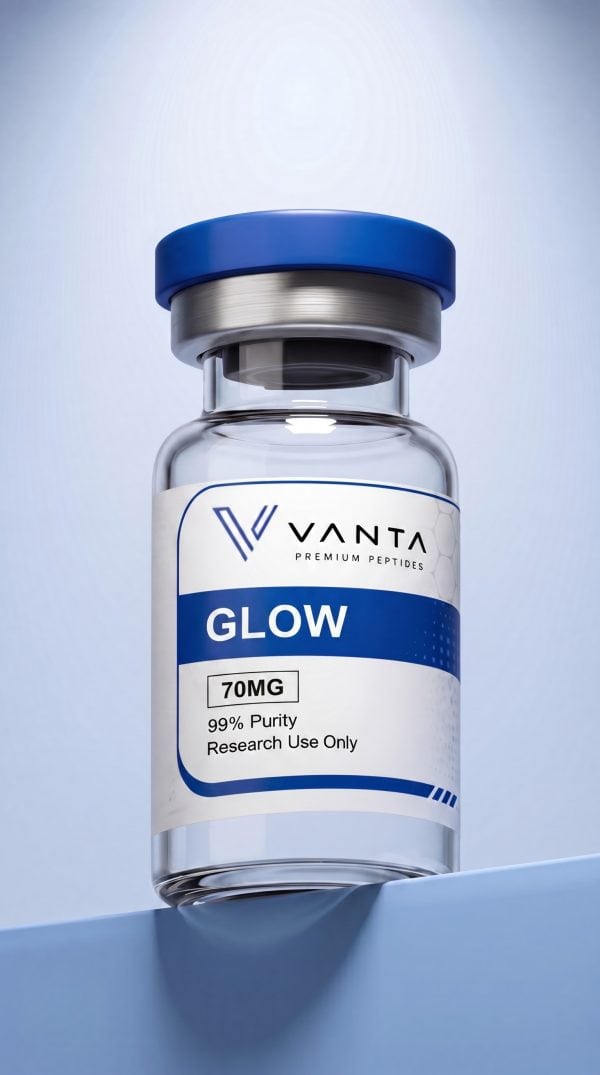
GLOW
$113$90 BUY 2 GET 1 FREE Tissue Repair Research -
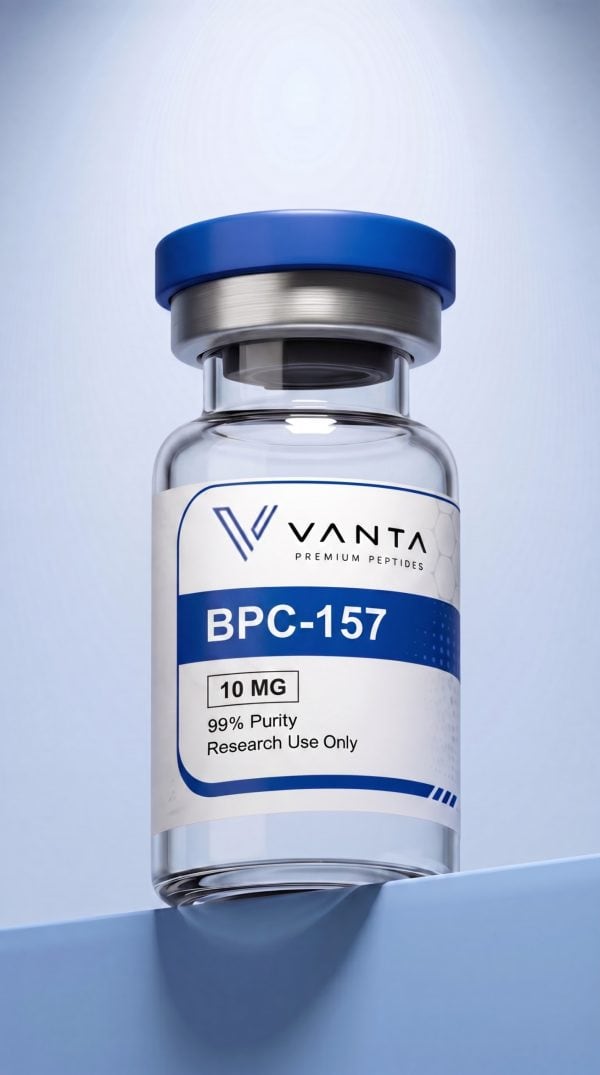
BPC-157
$69$55 BUY 2 GET 1 FREE Tissue Repair Research


About Tissue Repair Research
This category covers peptides studied in the context of tissue remodelling, extracellular matrix organisation and wound healing models — largely preclinical work, with much of the published literature in rodent and in vitro systems.
The compounds here work through different described mechanisms. BPC-157 is a synthetic pentadecapeptide derived from a sequence identified in gastric juice, studied primarily in rodent injury models. Thymosin beta-4 fragments such as TB-500 relate to actin sequestration and cell migration, and are available in blended form as Wolverine. GHK-Cu is a naturally occurring copper-binding tripeptide investigated in connective tissue and dermatological research contexts.
Blended preparations — such as GLOW and KLOW — combine several of these in a single vial, supplied for convenience where a protocol calls for more than one compound. Blends introduce an interpretive limitation worth stating: an effect observed with a combination cannot be attributed to any single component without testing them separately.
The literature in this area is largely preclinical. Findings in rodent models do not establish equivalent effects in other systems, and several of these compounds have limited or no controlled human data. Where our product pages cite specific studies, the model and endpoint are stated so the scope of each finding is clear. Full citations are on the Sources & References page.
Every batch is independently assayed with a batch-specific certificate of analysis. All material is supplied for laboratory research use only.